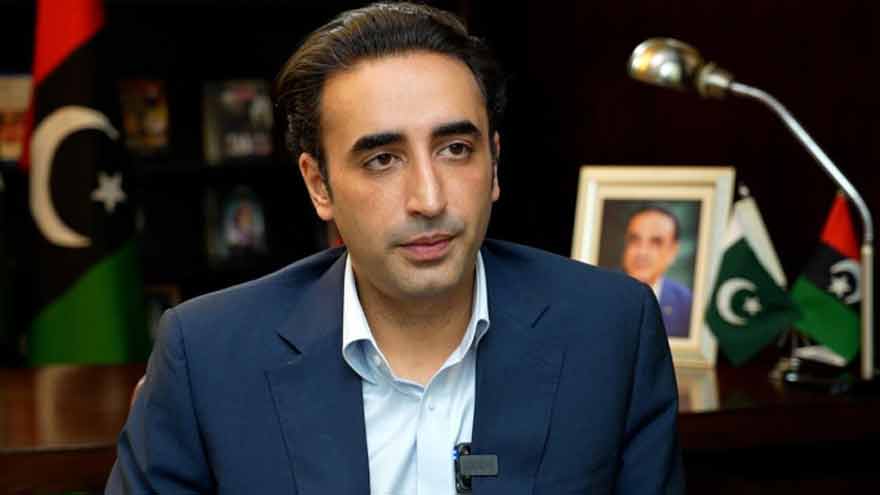
Summary PPP Chairman Bilawal Bhutto-Zardari said India stood exposed internationally after Malaysian PM Anwar Ibrahim declined to link Pakistan to terrorism without evidence during an Indian TV interview.
ISLAMABAD (Dunya News) – Pakistan Peoples Party (PPP) Chairman Bilawal Bhutto Zardari on Monday said India had been exposed internationally after Malaysian Prime Minister Anwar Ibrahim declined to endorse claims linking Pakistan to terrorism during an interview with an Indian television channel.
Bilawal made the remarks in a post on X while reacting to Ibrahim’s interview with NDTV on the sidelines of the BRICS summit in New Delhi.
PM of Malaysia @anwaribrahim exposing Indian propaganda, in India on Indian tv. The truth is India started a war based on a lie and lost miserably. India now stands exposed internationally. India must live up to its commitments made at the time of the ceasefire; to discuss all… https://t.co/rM1gnn0BvQ
— Bilawal Bhutto Zardari (@BBhuttoZardari) September 14, 2026
During the interview, Ibrahim was asked whether Israel’s actions against Hamas amounted to terrorism. He agreed, but when asked whether the same description applied to Pakistan over the Pahalgam attack, he declined to make such a determination.
The Malaysian prime minister said the matter would first have to be established, adding that none of his intelligence agencies had informed him that Pakistan was involved in state-sponsored terrorism.
Reacting to the interview, Bilawal said the Malaysian premier had exposed what he described as Indian propaganda on Indian television.
He said India had “started a war based on a lie and lost miserably”, referring to the May 2025 conflict between the two countries.
Bilawal said India now stood “exposed internationally” and urged New Delhi to honour its commitments made at the time of the ceasefire.
He called for discussions on all outstanding issues between Pakistan and India, saying dialogue could help both countries bring peace, prosperity and stability to the region.
The remarks came amid continued tensions between Pakistan and India over the April 2025 Pahalgam attack, which India linked to Pakistan while Islamabad rejected the allegation and called for a neutral investigation.
The two nuclear-armed neighbours subsequently engaged in several days of military exchanges in May 2025 before agreeing to a ceasefire on May 10.